The Ultimate Guide to Fertilizing Bermuda Grass for a Lush Lawn


Understanding Bermuda Grass
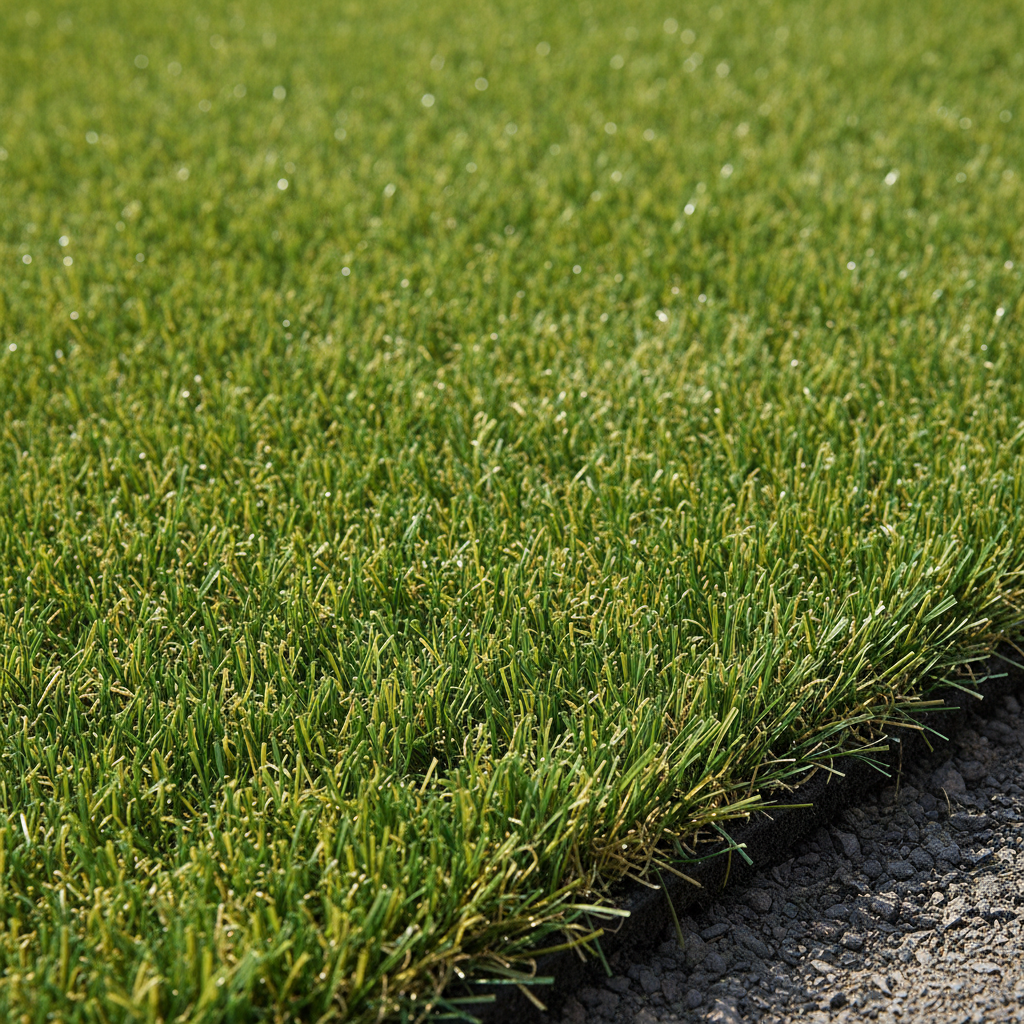
Bermuda grass is a popular choice for lawns due to its durability and attractive appearance. It thrives in warm climates and offers a lush, green carpet when properly maintained. However, to keep it looking its best, proper fertilization is crucial.
Why Fertilize Bermuda Grass?
Fertilizing Bermuda grass provides essential nutrients that promote vigorous growth and enhance its lush green color. It helps the grass recover from daily wear and tear and improves its resistance to pests and diseases.
Essential Nutrients
Bermuda grass primarily requires three key nutrients: nitrogen, phosphorus, and potassium. Nitrogen promotes leaf growth and vibrant color, phosphorus supports root development, and potassium aids in stress resistance.
Choosing the Right Fertilizer
When selecting a fertilizer, look for a balanced product with a ratio suited to Bermuda grass. A common recommendation is a 4-1-2 ratio of nitrogen, phosphorus, and potassium. Consider slow-release fertilizers for prolonged feeding.

Organic vs. Synthetic Fertilizers
Organic fertilizers, derived from natural sources, improve soil health but may release nutrients more slowly. Synthetic fertilizers offer quick results and precise nutrient control. Choose based on your lawn’s needs and personal preference.
When to Fertilize
The timing of fertilization is crucial for Bermuda grass. Typically, you should fertilize during the active growing season, which is late spring through summer. Avoid fertilizing during dormancy in the winter months.
Seasonal Fertilization Schedule
Here's a simple schedule to follow:
- Spring: Apply a balanced fertilizer as the grass begins to green up.
- Summer: Continue with regular applications every 6-8 weeks.
- Fall: Apply a final application with high potassium to prepare for winter.

Application Tips
Proper application ensures maximum benefit. Use a broadcast spreader for even distribution and water the lawn after fertilizing to help the nutrients penetrate the soil. Avoid applying on windy days to prevent uneven coverage.
Common Mistakes to Avoid
Avoid over-fertilizing, which can lead to nutrient runoff and damage the grass. Always follow the recommended application rates on the fertilizer package. Monitor the lawn for signs of nutrient deficiency, such as yellowing leaves, and adjust accordingly.