Seasonal Lawn Care: Preparing Your Bermuda Grass for Summer


Introduction to Bermuda Grass Care
As summer approaches, giving your Bermuda grass the attention it deserves can ensure a lush and vibrant lawn. Known for its durability and ability to thrive in warm climates, Bermuda grass is a popular choice for many homeowners. However, preparing it for the intense summer heat requires specific care and attention.
Understanding Bermuda Grass Needs
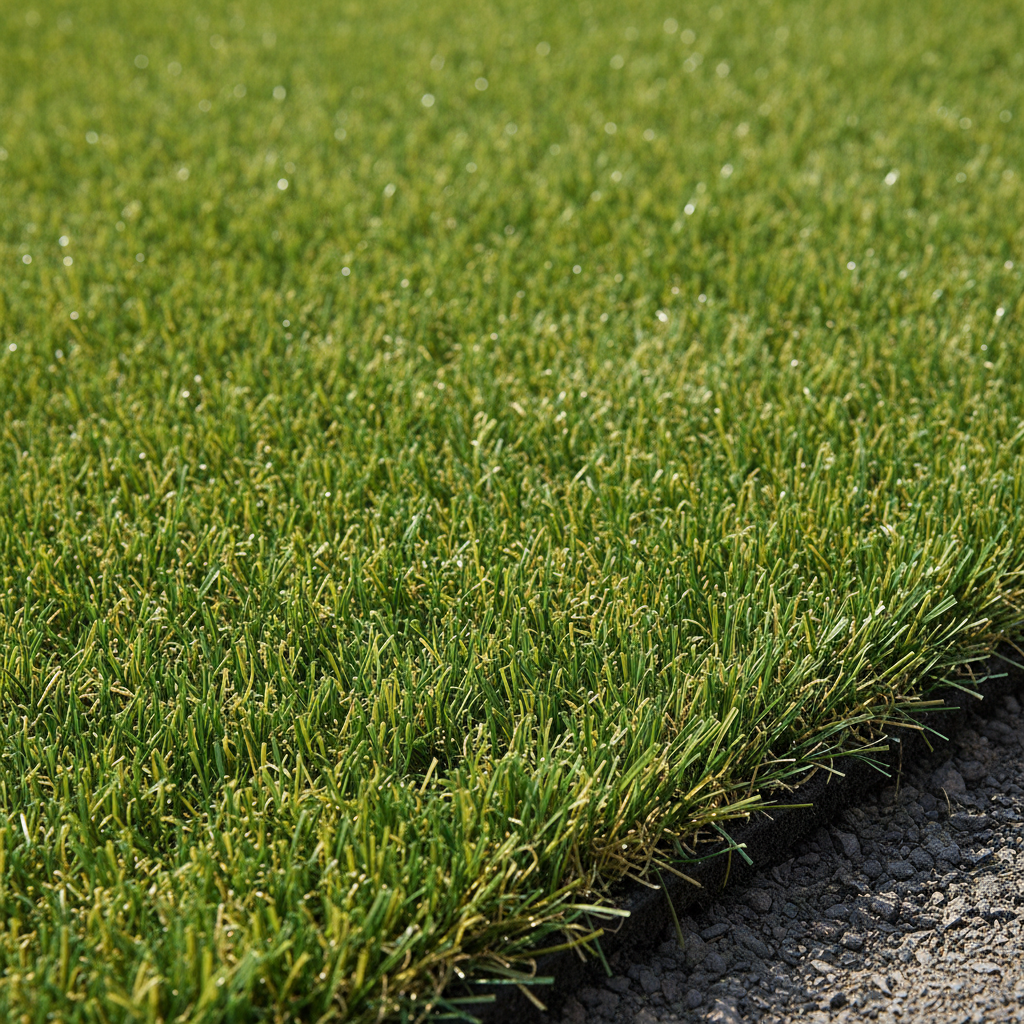
Before diving into the specifics of lawn care, it's essential to understand what Bermuda grass needs to flourish. This grass type loves sunlight and requires at least six hours of direct sunlight daily. The warm-season grass thrives in temperatures between 75°F and 95°F, making summer an ideal growing season.
To ensure optimal growth, Bermuda grass requires regular watering, mowing, and fertilization. Understanding these needs is the first step in preparing your lawn for the summer months.
Watering Techniques
Watering is crucial for maintaining healthy Bermuda grass during summer. The grass needs about 1 to 1.5 inches of water per week. To achieve this, water deeply and infrequently, allowing the soil to dry between waterings. This encourages deep root growth, making the grass more drought-resistant.

Early morning is the best time to water your lawn, as it reduces evaporation and fungal growth. Avoid watering in the evening, as this can lead to diseases due to prolonged moisture.
Mowing Practices
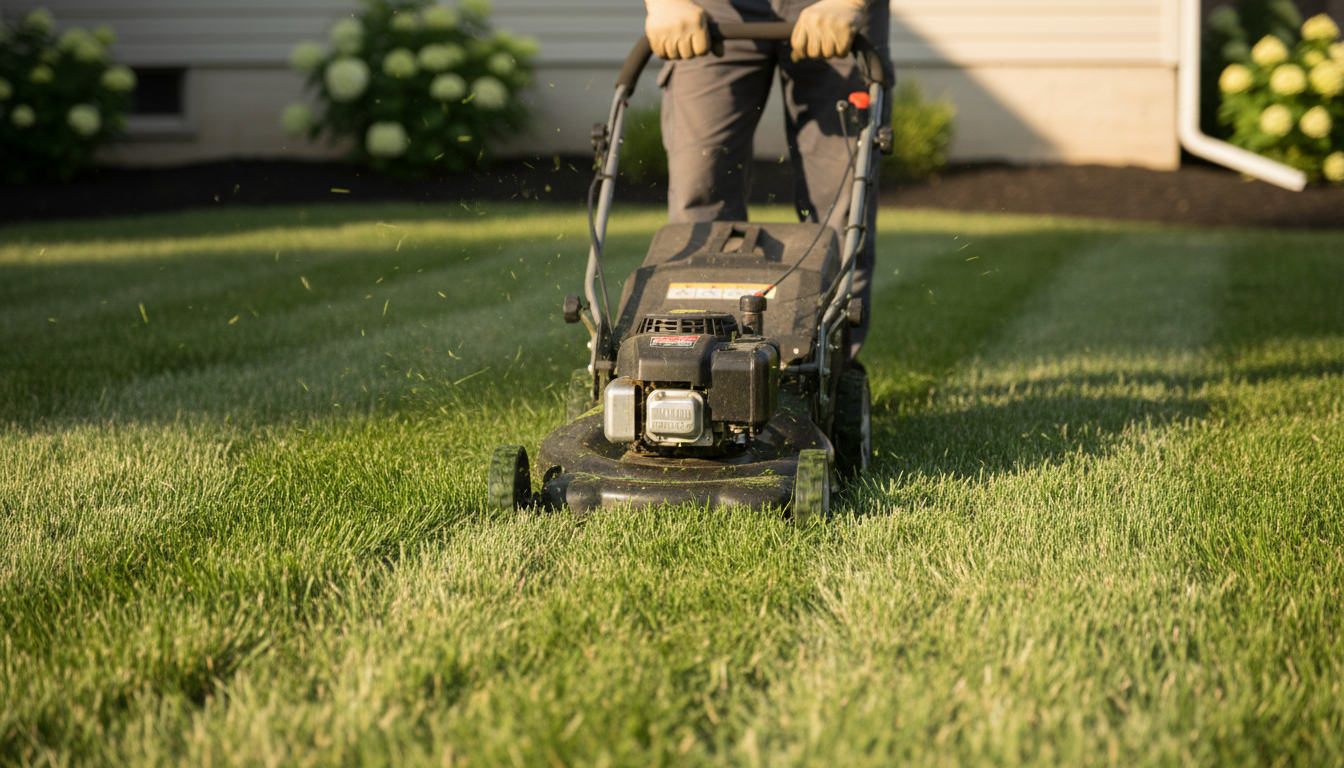
Proper mowing is essential for a healthy Bermuda lawn. Mow your grass to a height of 1 to 1.5 inches. This height helps the grass withstand heat and prevents weeds from taking root.
- Use a sharp blade to ensure clean cuts.
- Mow frequently to maintain the ideal height.
- Avoid cutting more than one-third of the grass height in a single mow.
Fertilization Strategies
Fertilizing your Bermuda grass is vital to promote growth and color. Use a high-nitrogen fertilizer, as Bermuda grass requires nutrients to flourish during its active growth phase. Typically, fertilization should occur every 6 to 8 weeks during the growing season.
Follow the manufacturer's instructions for the correct application rate and ensure even distribution to avoid patchy growth.
Pest and Weed Control
Summer can bring unwanted pests and weeds that threaten the health of your Bermuda grass. Regularly inspect your lawn for signs of insects or disease. Use appropriate pesticides or organic solutions as needed.
For weed control, apply a pre-emergent herbicide in late spring. This prevents weeds from germinating and keeps your lawn looking pristine throughout the summer.
Conclusion
Preparing your Bermuda grass for summer involves understanding its unique needs and implementing proper care techniques. With regular watering, mowing, fertilization, and pest control, your lawn can remain lush and resilient all summer long. Embrace these practices, and enjoy the beauty of a well-maintained Bermuda grass lawn.