How to Prepare Your Bermuda Grass for Seasonal Changes in South Carolina


Understanding Bermuda Grass
Bermuda grass is a popular choice for lawns in South Carolina due to its durability and lush appearance. However, this warm-season grass requires special attention as the seasons change to ensure it remains healthy and vibrant. Understanding how Bermuda grass responds to temperature fluctuations is key to maintaining its beauty.

Preparing for Winter Dormancy
As temperatures cool in the fall, Bermuda grass begins to enter a dormant state. This is a natural process that helps the grass survive the colder months. It's crucial to prepare your lawn properly to protect it during this period. Here are some steps to take:
- Mow the grass shorter: Gradually reduce your mowing height as the season progresses to prevent disease and reduce thatch buildup.
- Fertilize appropriately: Use a high-potassium fertilizer in late fall to strengthen the roots.
- Water wisely: Reduce watering frequency as the grass enters dormancy, but ensure the soil retains some moisture.
Aeration and Thatch Control
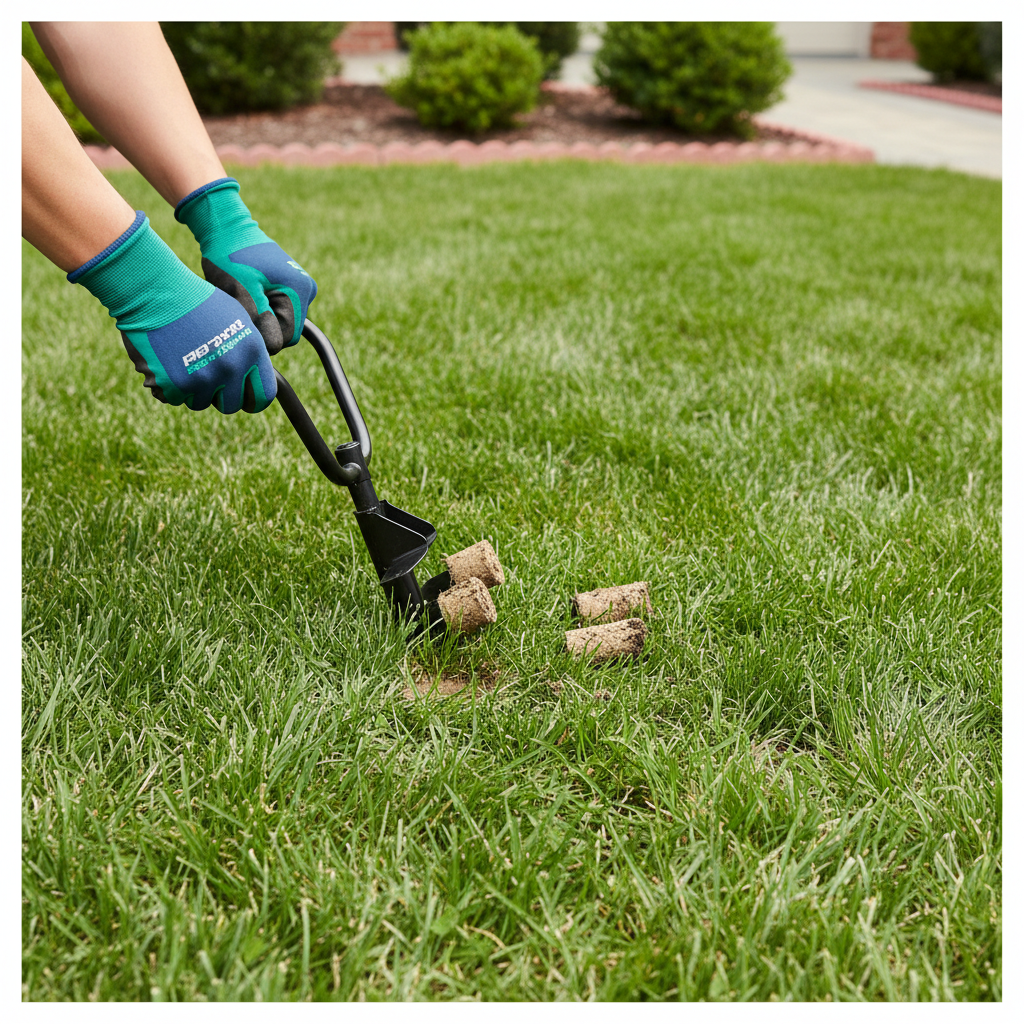
Aeration is an essential part of lawn care, especially before Bermuda grass goes dormant. It allows air, water, and nutrients to penetrate the soil, promoting root growth. Thatch, a layer of dead grass and roots, can prevent these elements from reaching the soil if not managed properly.
Spring Revival
As spring approaches, Bermuda grass begins to awaken from dormancy. This is when you should focus on reviving its lush green color. Begin with a thorough raking to remove dead grass and debris, followed by applying a balanced fertilizer to encourage new growth.
Overseeding for a Thicker Lawn
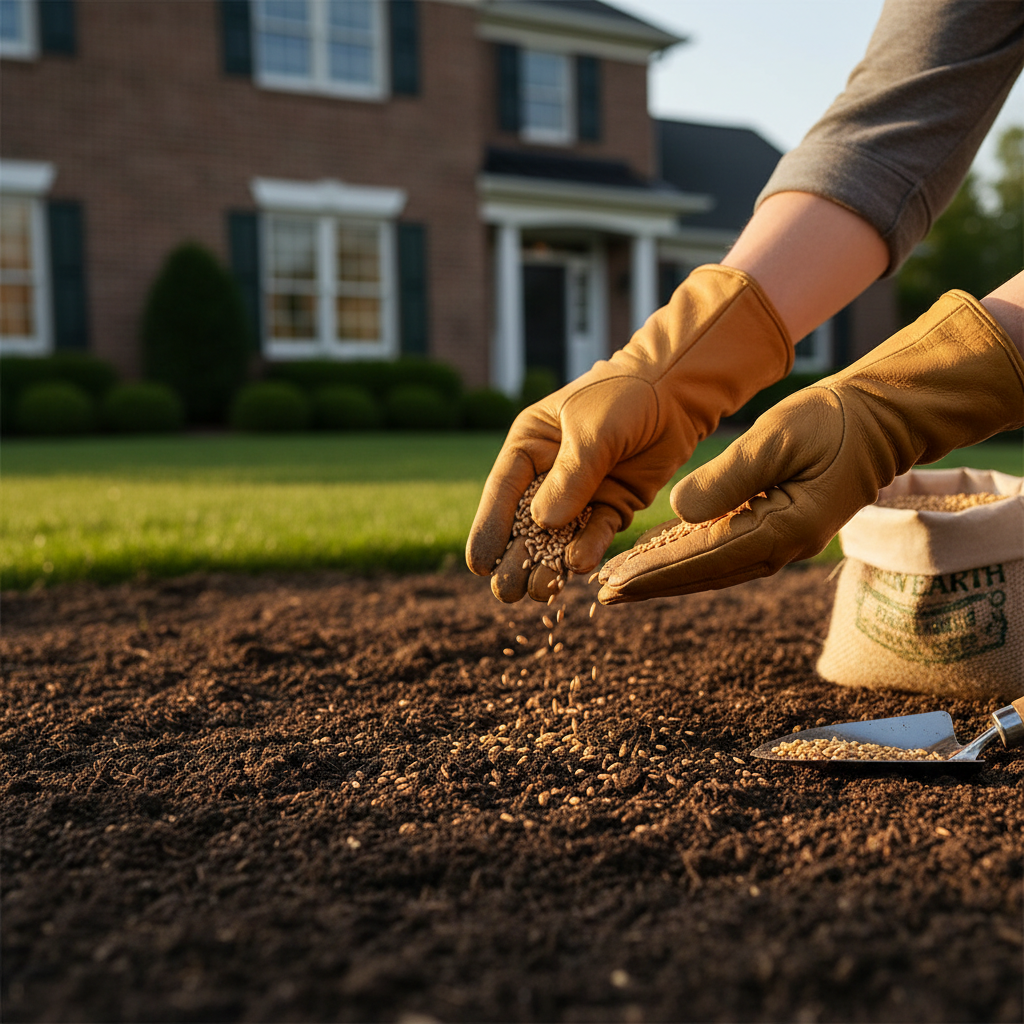
Overseeding can be beneficial in the spring, especially if your lawn has developed thin spots. Choose a compatible grass seed, and ensure even distribution for the best results. This practice helps in maintaining a dense and resilient lawn.
Managing Weeds and Pests
Weeds and pests can become more active as temperatures rise. Implement a pre-emergent herbicide in early spring to combat weeds before they sprout. Regular monitoring and early intervention with natural or chemical treatments can help manage pests effectively.
Regular Maintenance Practices
Regular mowing, watering, and fertilizing are crucial to keep Bermuda grass healthy throughout the season. Ensure your mower blades are sharp, and avoid cutting more than one-third of the grass height at a time. Maintain a consistent watering schedule based on rainfall and temperature.
Conclusion
Preparing your Bermuda grass for seasonal changes in South Carolina involves understanding its growth patterns and implementing strategic care. By following these guidelines, you'll ensure your lawn remains lush and vibrant year-round, enhancing your outdoor space's overall appeal.