Expert Tips for Successful Sod Installation: Choosing Bermuda Grass


Why Choose Bermuda Grass for Your Lawn
Bermuda grass is a popular choice for homeowners seeking a lush, green lawn. Known for its durability and vibrant color, it's ideal for warm climates. This grass type thrives in full sun and offers a dense, attractive ground cover that stands up to heavy traffic.
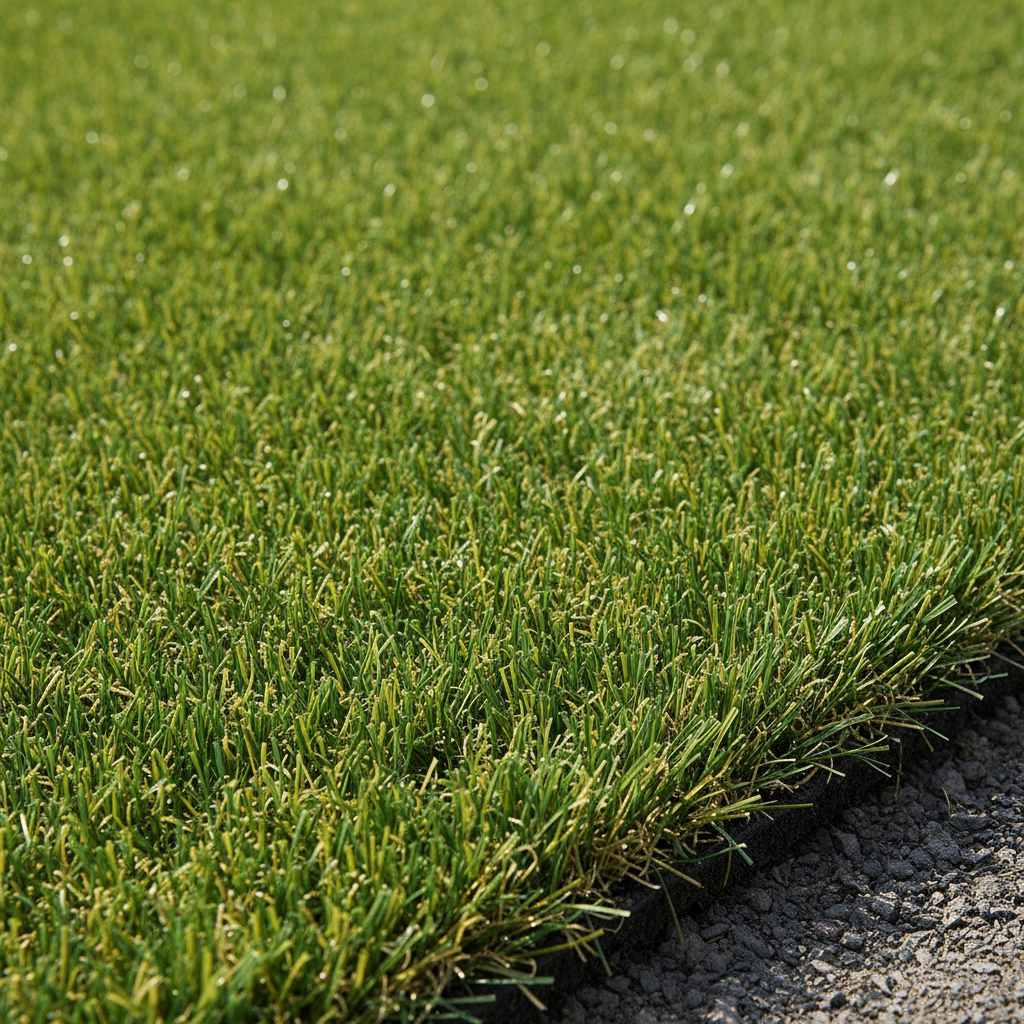
One of the primary reasons to choose Bermuda grass is its ability to recover quickly from damage. Whether it's kids playing or pets running around, this grass bounces back beautifully. Additionally, it has excellent drought resistance, making it perfect for areas with limited rainfall.
Preparing Your Soil for Sod Installation
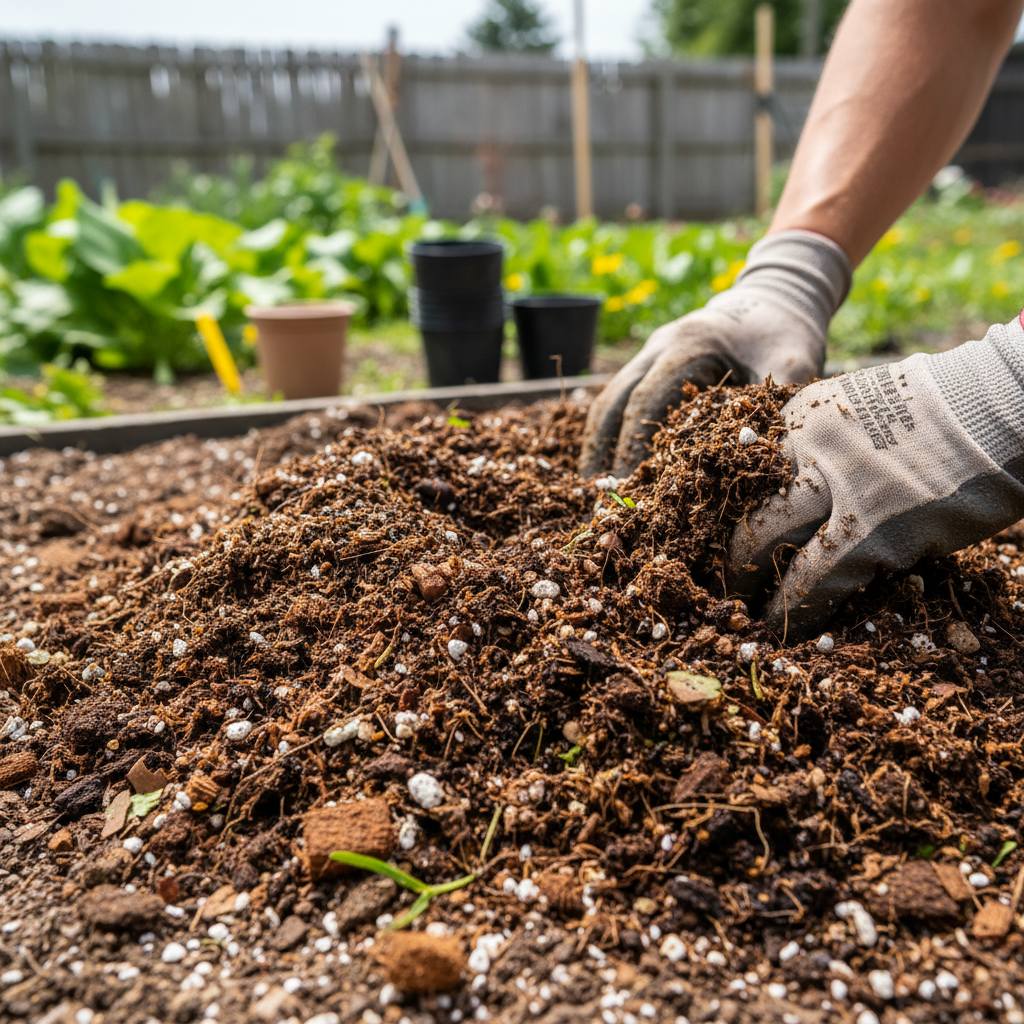
Before laying Bermuda sod, proper soil preparation is crucial. Start by removing any existing vegetation and debris. It's important to have a clean slate to ensure the new sod establishes well.
Next, test your soil's pH level. Bermuda grass prefers a pH between 6.0 and 7.0. If your soil is too acidic or alkaline, consider adding lime or sulfur to adjust it accordingly. This will create an optimal growing environment for your sod.
Choosing the Right Time for Installation
Timing is everything when it comes to sod installation. For Bermuda grass, the best time to lay sod is during the late spring or early summer. This allows the grass to establish itself during the warm growing season.
Installing sod during this period ensures that the grass has ample time to root deeply before the cooler months. Avoid laying sod during extreme heat or freezing temperatures to prevent stress on the plants.
Steps for Laying Bermuda Sod
Once your soil is prepared and the timing is right, it's time to lay the sod. Follow these steps for successful installation:
- Start by laying sod along a straight edge, such as a sidewalk or driveway.
- Stagger the seams in a brick-like pattern to avoid visible lines.
- Press the sod firmly into the soil to remove air pockets.
- Water the sod immediately after installation to help it settle.

Post-Installation Care
Proper care after installation is essential for a lush, healthy lawn. Water your Bermuda sod daily for the first two weeks, ensuring the soil remains moist. This helps the roots establish themselves in the soil.
Once established, reduce watering to two or three times a week, depending on weather conditions. Mow your Bermuda grass to a height of 1 to 1.5 inches, keeping it tidy and healthy.
Common Mistakes to Avoid
Avoid common mistakes like overwatering or mowing too low, as these can stress the grass and hinder growth. Ensure your lawn receives adequate sunlight, as Bermuda grass thrives in full sun.
Additionally, be cautious with fertilizers. Over-fertilizing can lead to rapid growth that requires more frequent mowing and care.
Conclusion
Choosing Bermuda grass for your lawn offers a beautiful, resilient, and easy-to-maintain option. By following these expert tips for sod installation, you'll enjoy a lush, green lawn that enhances your home's curb appeal. Remember, proper preparation and care are key to a successful sod installation.