Expert Tips for Maintaining Bermuda Grass in Commercial Spaces


Understanding Bermuda Grass
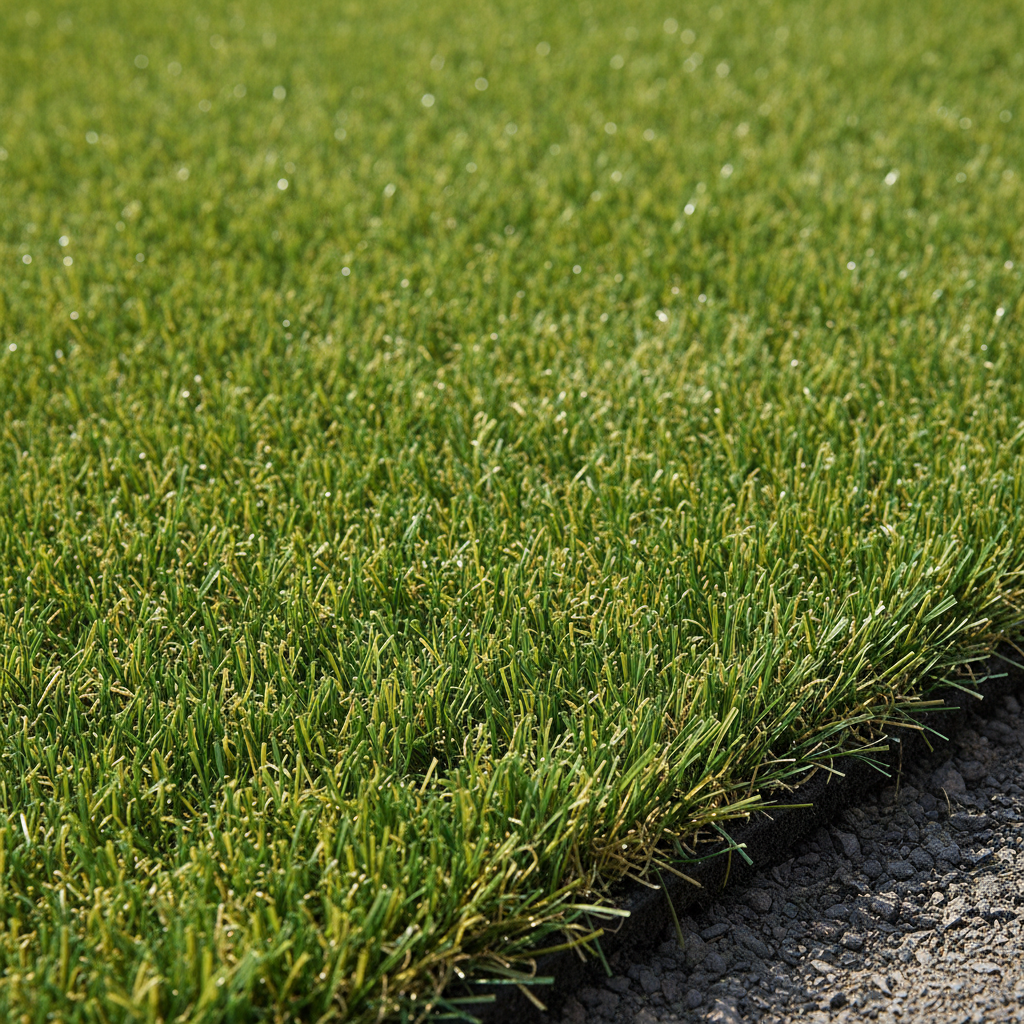
Bermuda grass is a popular choice for commercial spaces due to its durability and lush appearance. This warm-season grass thrives in sunny climates and is known for its ability to withstand heavy foot traffic. However, maintaining its vibrant look requires careful attention and maintenance.
Regular Mowing Practices
One of the key aspects of maintaining Bermuda grass is regular mowing. It's important to keep the grass at a height of around 1 to 1.5 inches. This height helps in promoting dense growth and prevents weeds from taking hold. Mowing should be done frequently, especially during its peak growing season in the late spring and summer.
Ensure that your mower blades are sharp to avoid tearing the grass, which can lead to disease. It's also advisable to change the mowing direction each time to prevent the grass from leaning in one direction.
Watering Schedule
Bermuda grass requires a consistent watering schedule to maintain its lush appearance. It's best to water deeply and infrequently, allowing the soil to dry out slightly between watering sessions. This encourages the grass to develop a deep root system, enhancing its drought resistance.

Aim to water early in the morning to reduce evaporation and minimize the risk of fungal diseases. During hot and dry periods, you may need to increase the frequency of watering to keep the grass healthy.
Fertilization Techniques
Proper fertilization is crucial for maintaining the vibrant color of Bermuda grass. Use a balanced, slow-release fertilizer to provide essential nutrients. Typically, fertilization should occur in late spring and again in midsummer.
Be mindful of over-fertilizing, as this can lead to excessive growth and thatch buildup. A soil test can help determine the specific nutrient needs of your lawn, ensuring optimal growth.
Weed and Pest Control
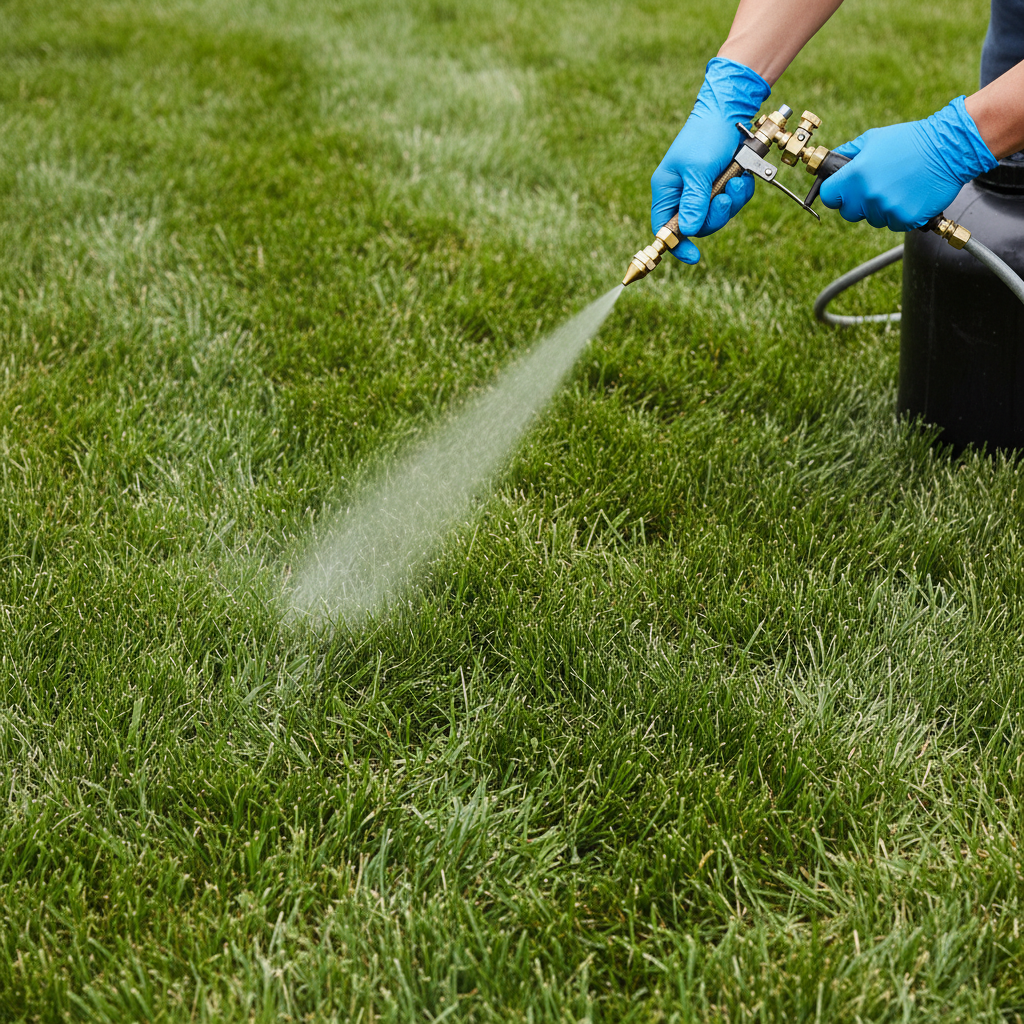
Weeds and pests can pose significant challenges for Bermuda grass. Implementing a pre-emergent herbicide in early spring can help prevent weed seeds from germinating. Regularly inspect your lawn for signs of pests like grubs or armyworms, and treat them promptly with appropriate insecticides.
Maintaining healthy grass through proper mowing, watering, and fertilization will naturally reduce the likelihood of weed and pest infestations.
Aeration and Dethatching
Aerating your Bermuda grass lawn once a year can significantly improve its health. Aeration helps reduce soil compaction, allowing air, water, and nutrients to reach the roots more effectively. It's best done in late spring when the grass is actively growing.
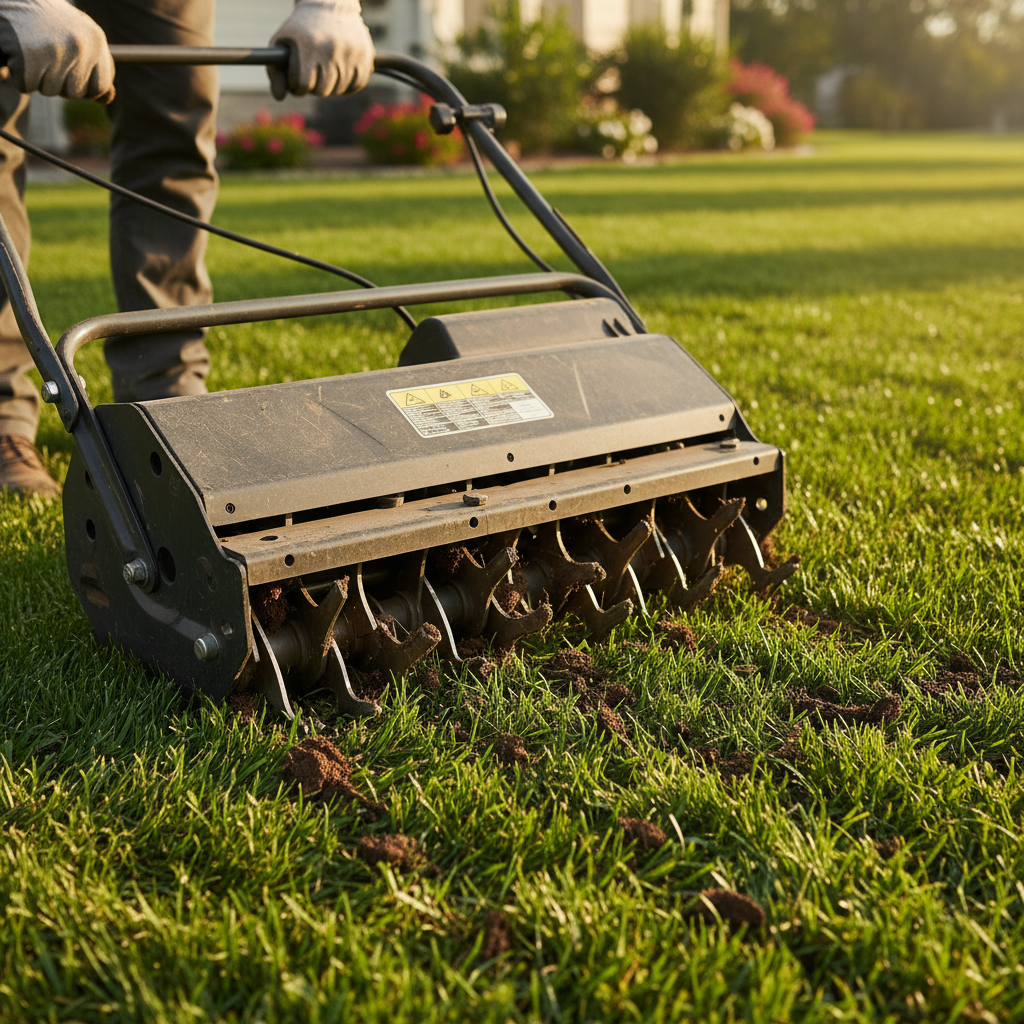
Dethatching may also be necessary if a thatch layer thicker than half an inch develops. Thatch can prevent water and nutrients from reaching the roots, so removing it will promote better growth.
Seasonal Maintenance
Seasonal maintenance is key to keeping Bermuda grass in top condition. In the fall, gradually reduce watering and allow the grass to harden off before winter. This helps prepare the lawn for dormancy.
In the spring, once the grass begins to green up, resume regular maintenance activities to encourage robust growth throughout the warmer months.