Expert Advice on Sustainable Landscaping Practices


Understanding Sustainable Landscaping
Sustainable landscaping is not just a trend; it's a necessity in today's environmentally conscious world. By embracing practices that conserve resources and promote biodiversity, we can create beautiful outdoor spaces that are in harmony with nature. Whether you're a homeowner or a professional landscaper, adopting sustainable methods can lead to significant environmental benefits.
Choose Native Plants
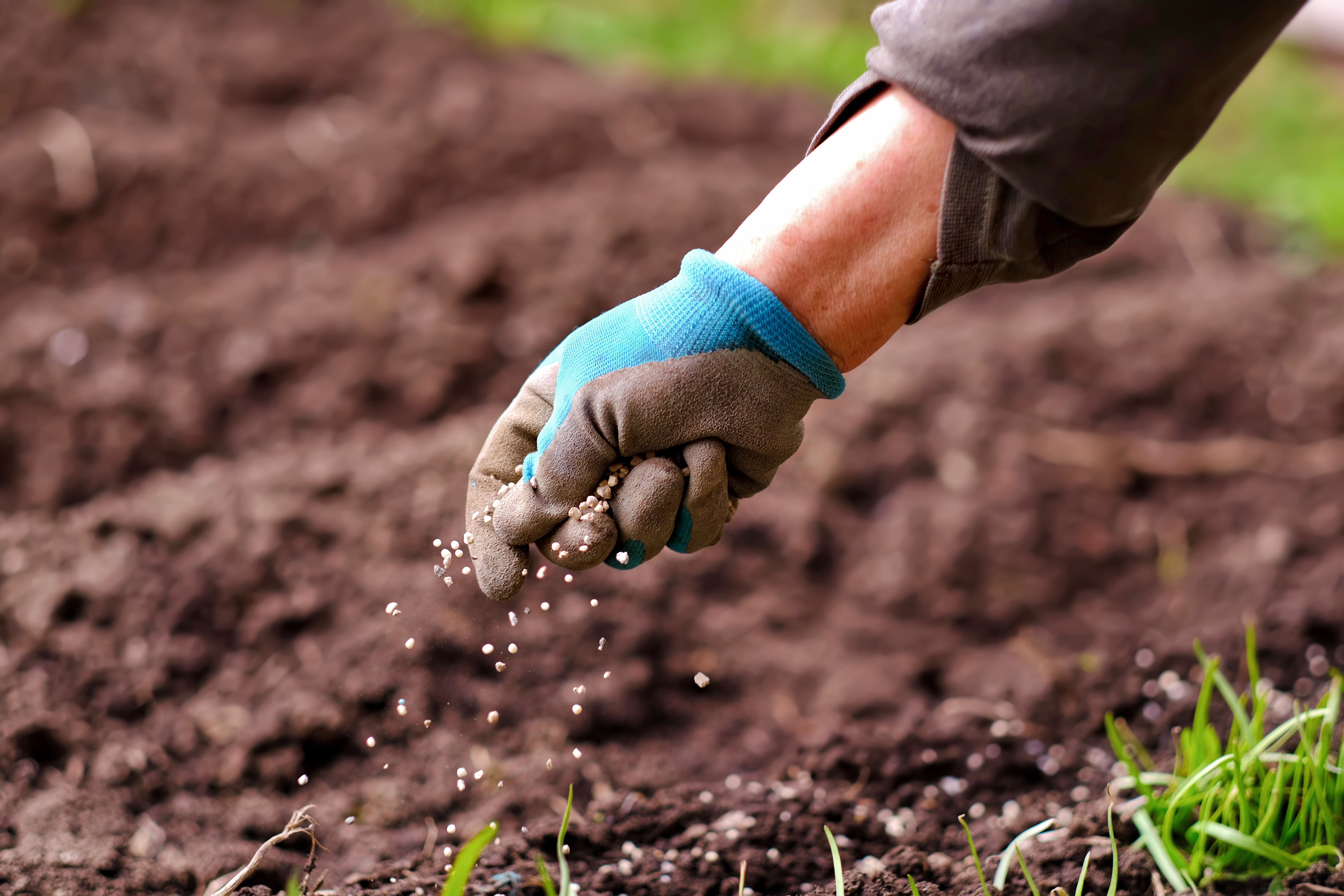
One of the most effective ways to achieve a sustainable landscape is by using native plants. These plants are adapted to the local climate and soil conditions, making them more resilient and less dependent on water and fertilizers. Native plants also provide habitat for local wildlife, including pollinators like bees and butterflies.
When selecting plants, consider the specific needs of your garden. This might involve researching which native species thrive in your area and how they can be integrated into your existing landscape.
Efficient Water Management
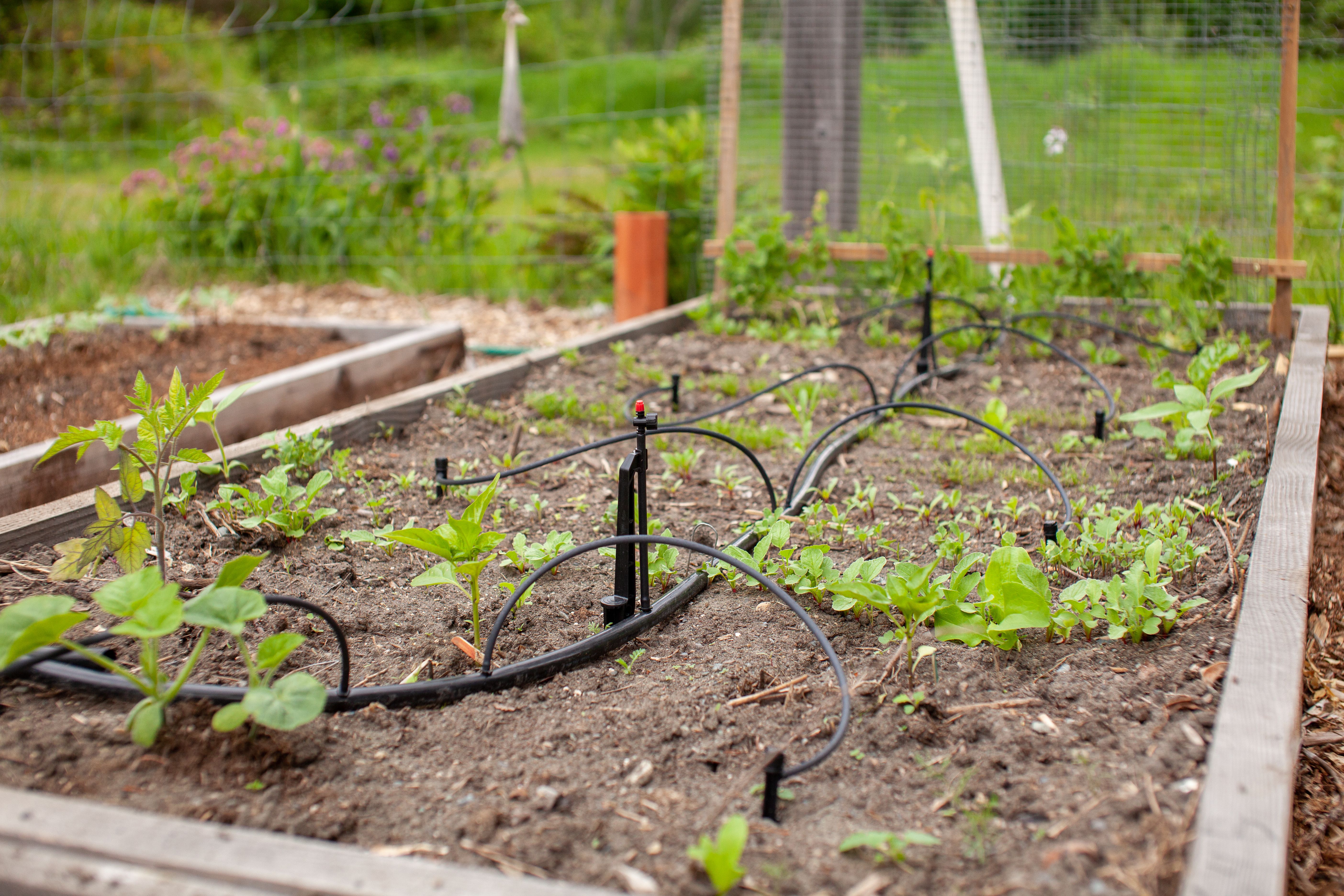
Water is a precious resource, and efficient water management is crucial in sustainable landscaping. Implementing techniques such as drip irrigation, rainwater harvesting, and xeriscaping can significantly reduce water usage. These methods ensure that plants receive adequate moisture without wasting water.
Mulching is another effective strategy to conserve water. It helps retain soil moisture, suppress weeds, and improve soil health. Use organic mulches like wood chips or straw to enhance the sustainability of your landscape.
Soil Health and Composting
Healthy soil is the foundation of a thriving landscape. Regularly testing your soil and amending it with organic matter can improve its structure and fertility. Composting is an excellent way to recycle kitchen and garden waste into nutrient-rich soil amendments.
By adding compost to your garden, you can reduce the need for chemical fertilizers and improve plant growth. Composting also helps sequester carbon, contributing to a reduction in greenhouse gases.

Integrated Pest Management
Instead of relying on chemical pesticides, adopt Integrated Pest Management (IPM) practices to control pests. IPM involves using a combination of biological, cultural, and mechanical methods to manage pest populations. This approach minimizes harm to the environment and promotes biodiversity.
Encourage beneficial insects by planting a diversity of species and creating habitats that support their lifecycle. This natural balance can reduce the need for harmful chemical interventions.
Design for Energy Efficiency
Thoughtful landscape design can contribute to energy efficiency in your home. Planting trees strategically can provide shade in the summer and windbreaks in the winter, reducing the need for heating and cooling. Choose deciduous trees for areas where you want summer shade and winter sun.
Additionally, consider the placement of hardscapes such as patios and pathways to enhance energy efficiency. Using permeable materials can help manage runoff and reduce the urban heat island effect.

Conclusion
Implementing sustainable landscaping practices offers numerous benefits, both environmentally and economically. By focusing on native plants, efficient water use, soil health, and pest management, you can create a landscape that is not only beautiful but also eco-friendly. Embrace these expert tips to contribute positively to the environment while enjoying a lush, sustainable garden.