DIY Tips for Maintaining Bermuda Grass: Expert Insights


Understanding Bermuda Grass
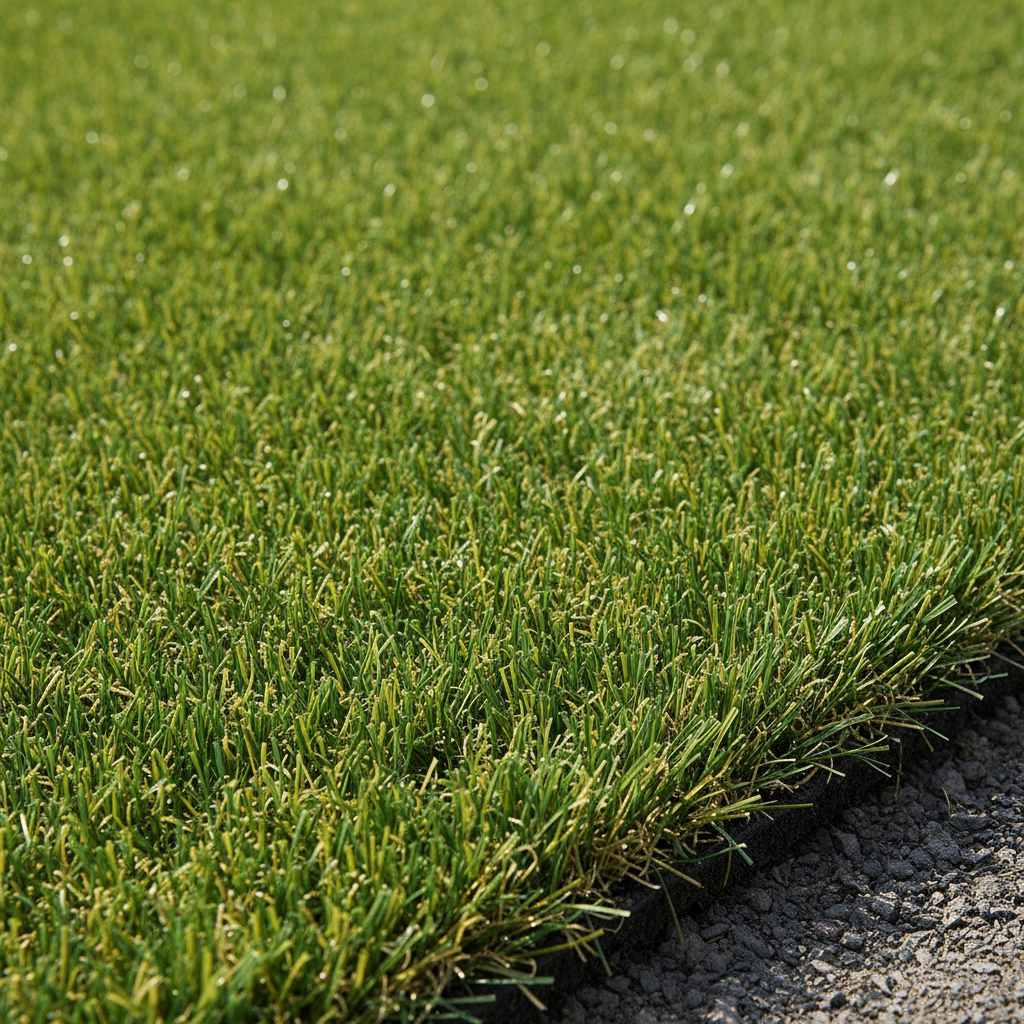
Bermuda grass is a popular choice for lawns due to its durability and lush appearance. Known for its ability to withstand heat and heavy foot traffic, it's a favorite for homeowners who want a resilient and attractive lawn. However, maintaining Bermuda grass requires specific care techniques to ensure it thrives.
Proper Mowing Techniques
One of the crucial aspects of maintaining Bermuda grass is proper mowing. It's recommended to keep the grass at a height of about 1 to 1.5 inches. Mowing too low can damage the grass, while allowing it to grow too high can lead to thatch build-up. Use a sharp mower blade to ensure a clean cut, which helps prevent disease.
Consistent mowing encourages dense growth, enhancing the lawn's appearance and health. During peak growing season, you may need to mow more frequently, sometimes every 5-7 days.
Watering Wisely
Bermuda grass thrives with deep and infrequent watering. This encourages deep root growth, making the lawn more drought-resistant. Aim to water your lawn early in the morning to minimize evaporation and fungal diseases. Typically, 1 to 1.5 inches of water per week, including rainfall, is sufficient.

Fertilization Tips
Fertilization plays a vital role in maintaining the vibrant green color of Bermuda grass. Use a high-nitrogen fertilizer, as Bermuda grass has a high nitrogen requirement. It's best to fertilize during the active growing season, which is late spring through summer. Follow the manufacturer's instructions for the correct application rate.
Aeration and Thatch Control
Aeration is essential for Bermuda grass as it allows air, water, and nutrients to reach the roots more effectively. Aerate your lawn at least once a year, preferably in late spring or early summer. This process also helps reduce soil compaction.
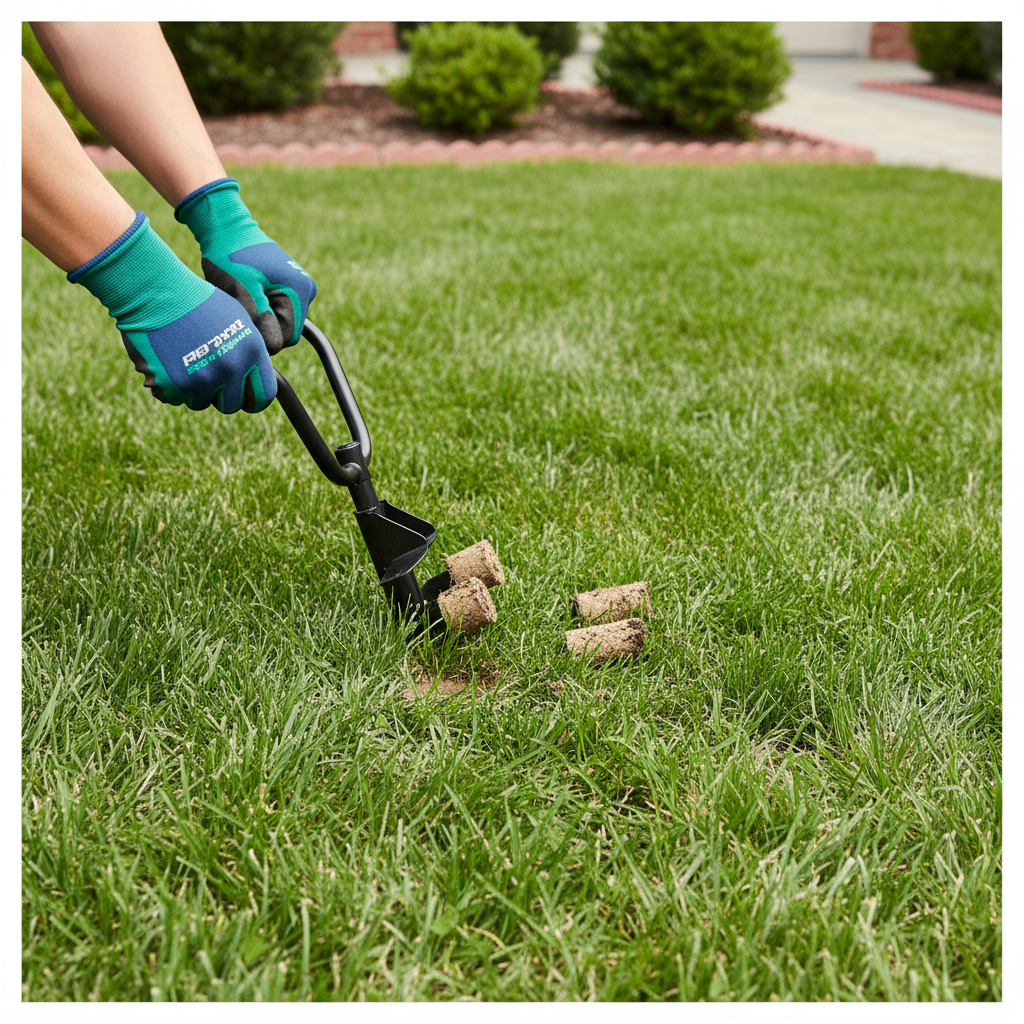
Thatch, a layer of organic matter that builds up between the soil and grass, can hinder growth. Regular aeration helps manage thatch, but if it becomes excessive, consider dethatching your lawn.
Pest and Weed Management
Bermuda grass is susceptible to certain pests and weeds. Regular monitoring is essential to catch any issues early. Use natural or chemical treatments for pest control as needed, but always follow safety guidelines. For weeds, a pre-emergent herbicide applied in early spring can be effective.
Seasonal Maintenance
As the seasons change, so should your lawn care routine. In the fall, gradually reduce watering and mowing frequency as the grass prepares for dormancy. In the spring, focus on promoting growth with increased watering and fertilization.

By following these expert tips, you can ensure that your Bermuda grass remains healthy and vibrant year-round, providing a beautiful and durable lawn for your home.