DIY Lawn Maintenance: Expert Tips from Greenville's Best Lawn Care Company


Understanding Your Lawn
Before diving into DIY lawn maintenance, it's crucial to understand the specific needs of your lawn. Different grass types and soil conditions require unique care approaches. Begin by identifying the type of grass in your lawn and its specific requirements in terms of sunlight, water, and nutrients.
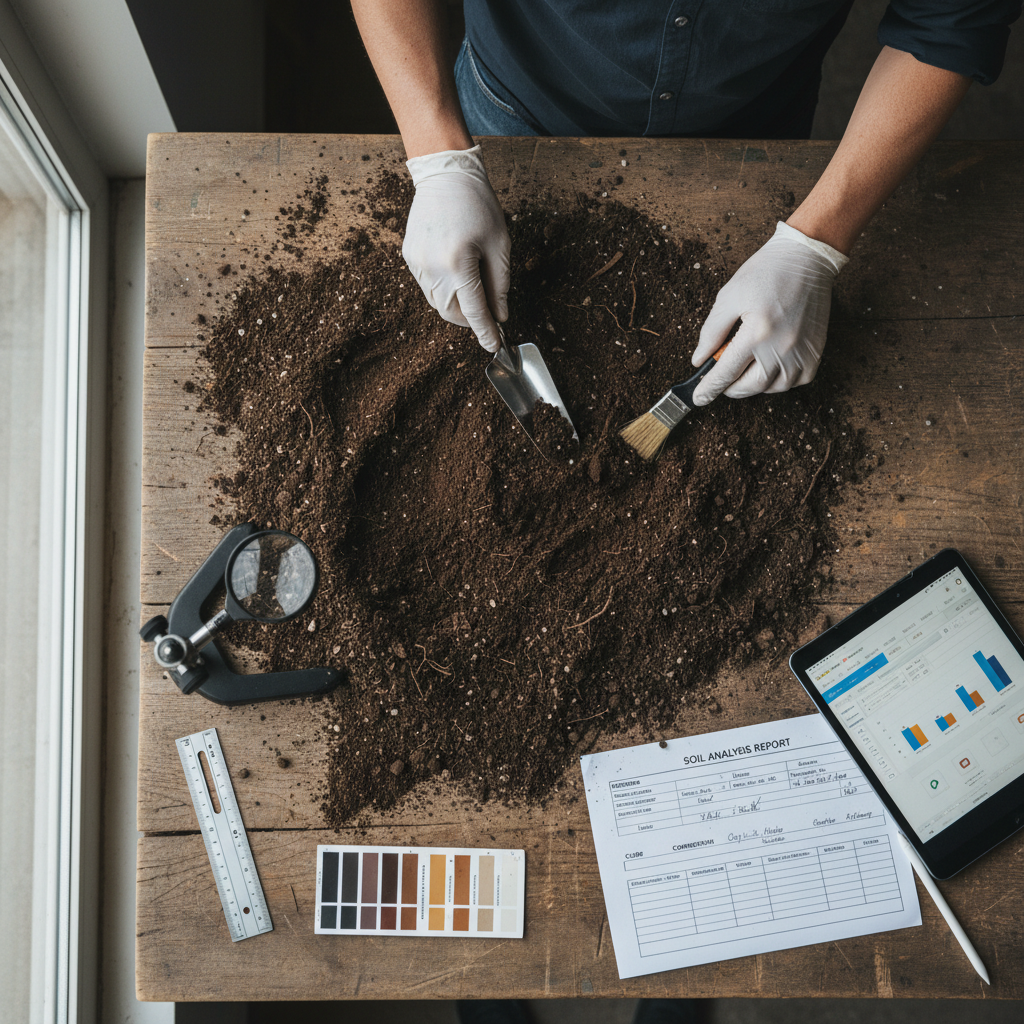
Assess your soil's pH level as well. A balanced pH ensures your grass absorbs nutrients effectively. You can purchase a simple soil test kit at your local garden center to get started.
Essential Lawn Care Tools
Equipping yourself with the right tools is vital for effective lawn maintenance. Here’s a basic list to get you started:
- Lawnmower
- Edger or trimmer
- Rake
- Spreader
- Garden hose and sprinkler
Investing in quality tools may seem costly upfront, but they will last longer and make your lawn care tasks easier.
Mowing Techniques for a Healthy Lawn
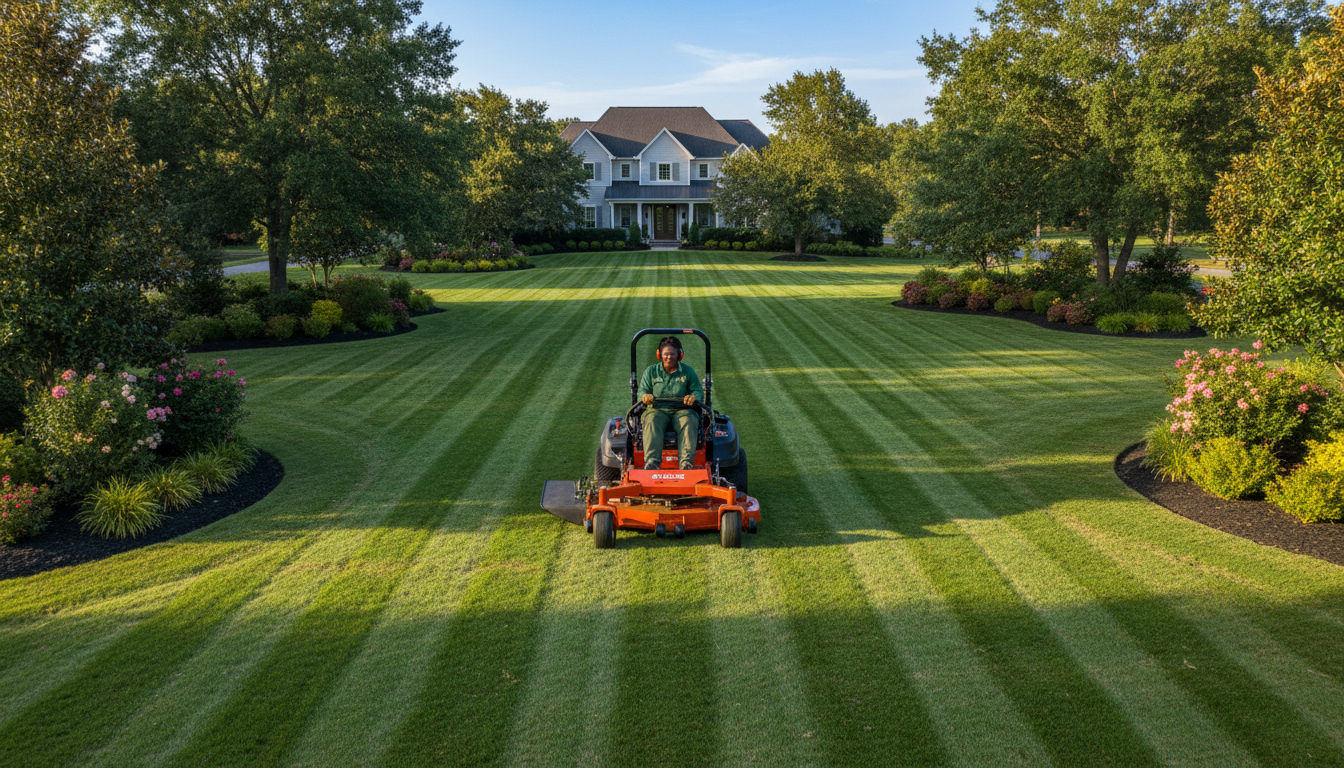
Mowing is more than just cutting grass. It’s about maintaining the right height to foster healthy growth. For most grass types, keep the height around 2.5 to 3 inches. This height helps shade the soil, retain moisture, and prevent weed growth.
Always mow with sharp blades to ensure a clean cut, and avoid cutting more than one-third of the grass height in a single session to prevent stress on your lawn.
Watering Wisely
Watering your lawn correctly is crucial for its health and sustainability. Aim to water early in the morning to reduce evaporation and fungal diseases. Depending on your grass type and local climate, lawns generally need about 1 to 1.5 inches of water per week.
Use a rain gauge to monitor rainfall and adjust your watering schedule accordingly. Overwatering can lead to shallow root growth and increased susceptibility to drought.
Fertilizing for Optimal Growth
Fertilizing your lawn provides essential nutrients that promote growth and resilience. Use a slow-release fertilizer that matches the nutrient needs of your grass type. Typically, lawns benefit from fertilization in early spring and fall.
Be mindful of the application rates and avoid fertilizing before heavy rain to prevent runoff. A well-fertilized lawn is not only healthier but also more resistant to pests and diseases.
Pest and Weed Control
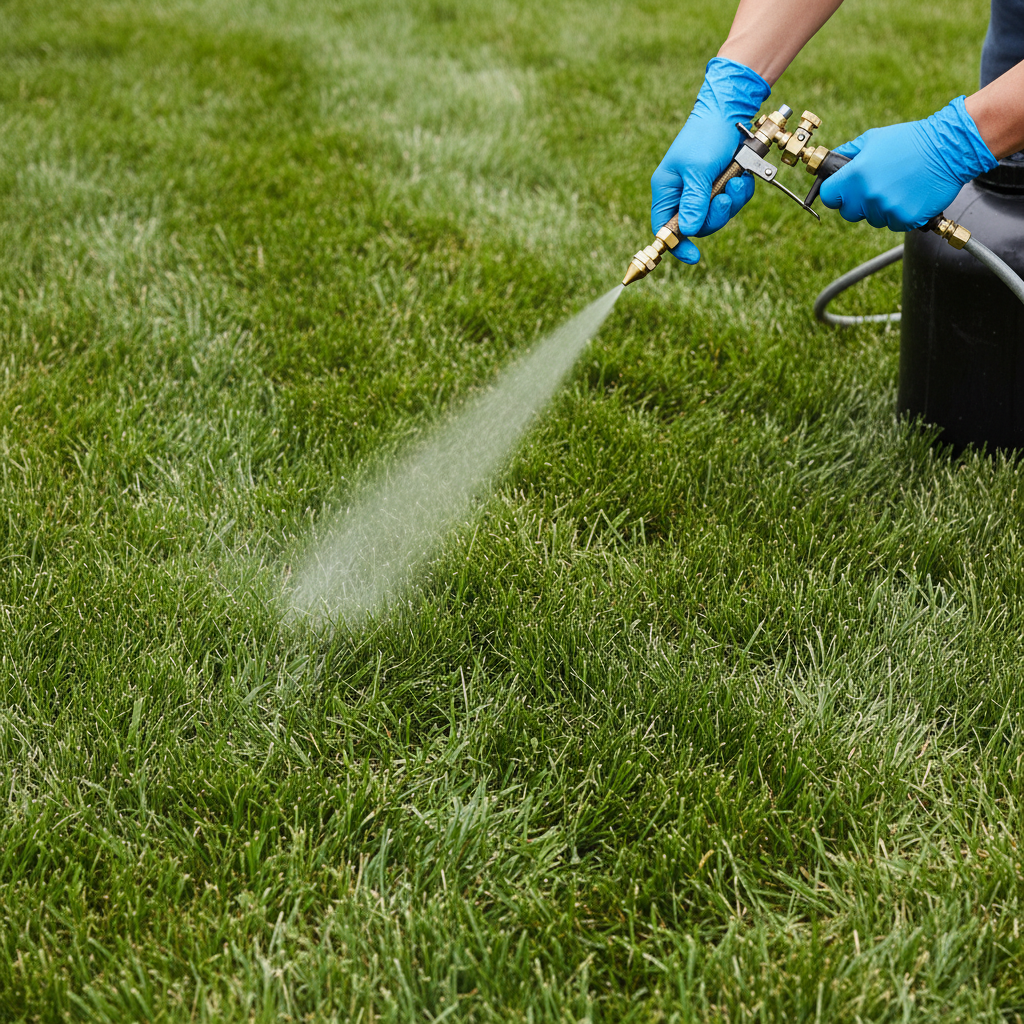
Keeping pests and weeds in check is essential for a thriving lawn. Regular mowing, watering, and fertilizing can naturally deter many weeds. However, if you encounter persistent issues, consider using targeted herbicides or natural remedies.
For pests, identify the specific problem before applying treatments. Integrated Pest Management (IPM) strategies can be effective in minimizing environmental impact while controlling pest populations.
Aeration and Dethatching
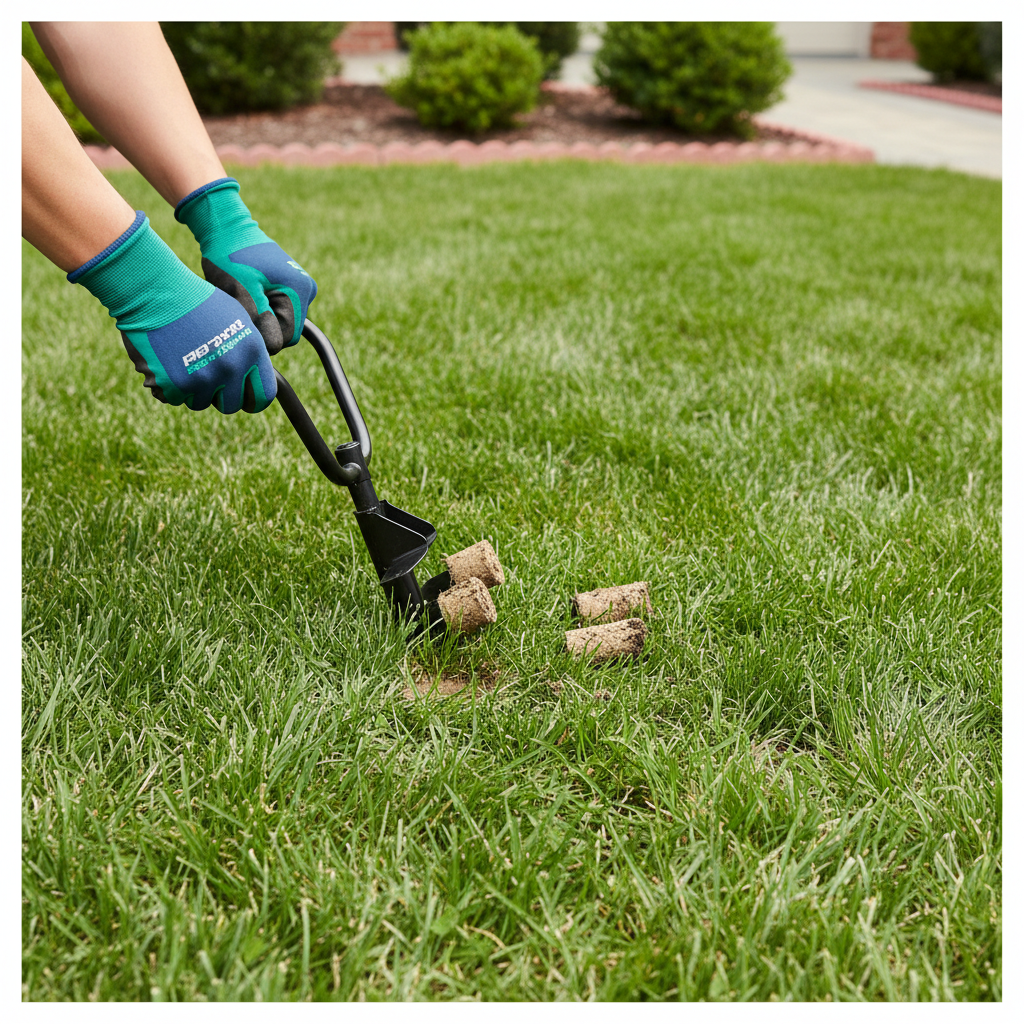
Over time, lawns can become compacted, hindering root growth and nutrient absorption. Aeration involves perforating the soil with small holes to allow air, water, and nutrients to penetrate deeper. This can be done with a manual or motorized aerator.
Dethatching removes the layer of dead grass and organic matter that can build up on the surface. Both practices are typically done in the fall or spring for the best results.
Seasonal Lawn Care Tips
Adjusting your lawn care routine with the seasons is key to maintaining a lush green lawn year-round. In spring, focus on cleaning up debris and fertilizing. Summer requires diligent watering and monitoring for pests.
In fall, concentrate on aeration and overseeding to repair any summer damage. Winter preparation involves clearing leaves and debris to prevent disease and mold.
By following these expert tips from Greenville's best lawn care professionals, you'll create and maintain a beautiful, healthy lawn that enhances your home's curb appeal.