DIY Lawn Care: Maintaining Bermuda Grass Without Professional Help


Understanding Bermuda Grass
Bermuda grass is a popular choice for lawns due to its durability and lush appearance. It's a warm-season grass that thrives in sunny environments, making it ideal for many regions. However, maintaining it requires some knowledge and dedication. With the right approach, you can keep your Bermuda grass healthy and vibrant without professional help.
Establishing a Mowing Routine
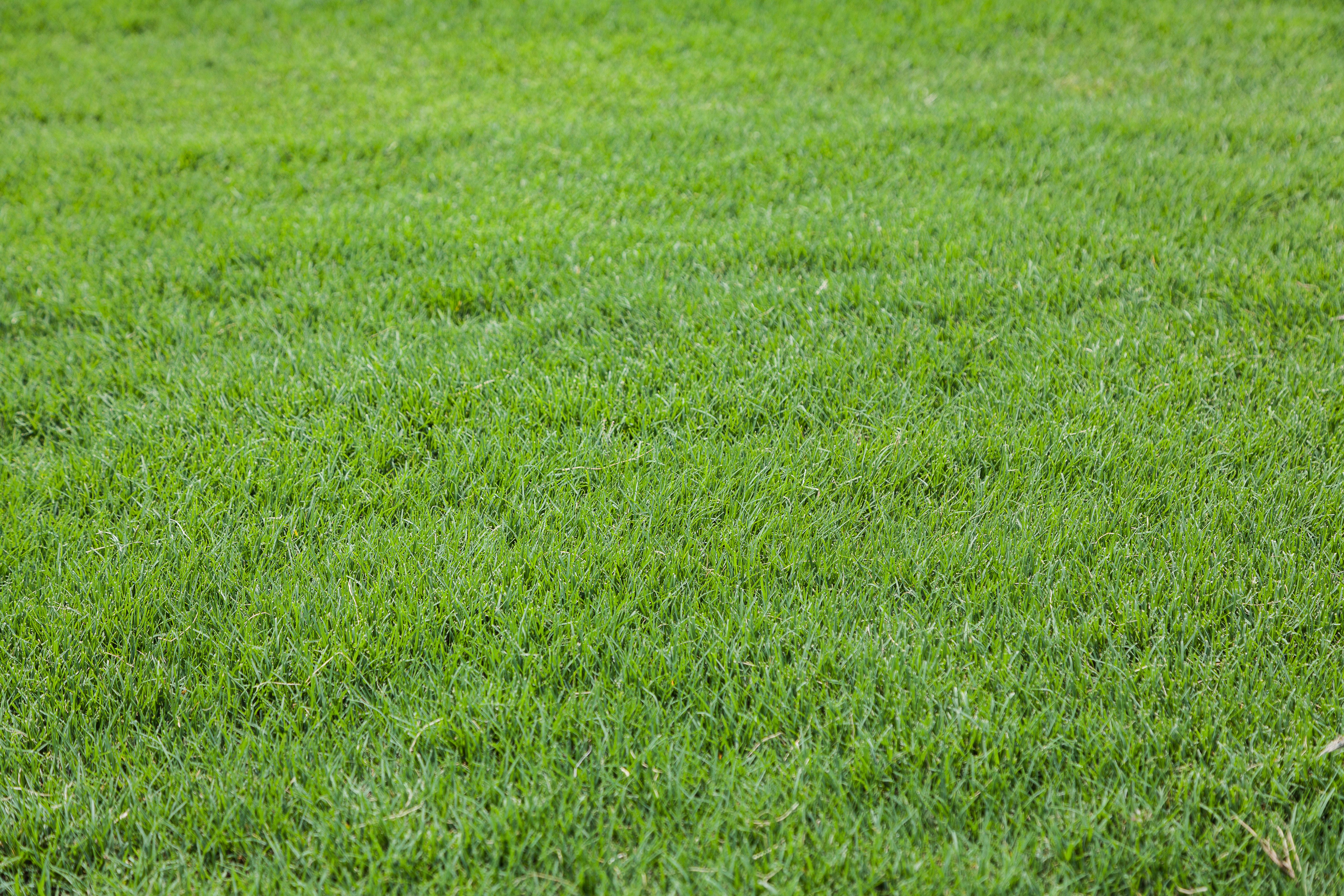
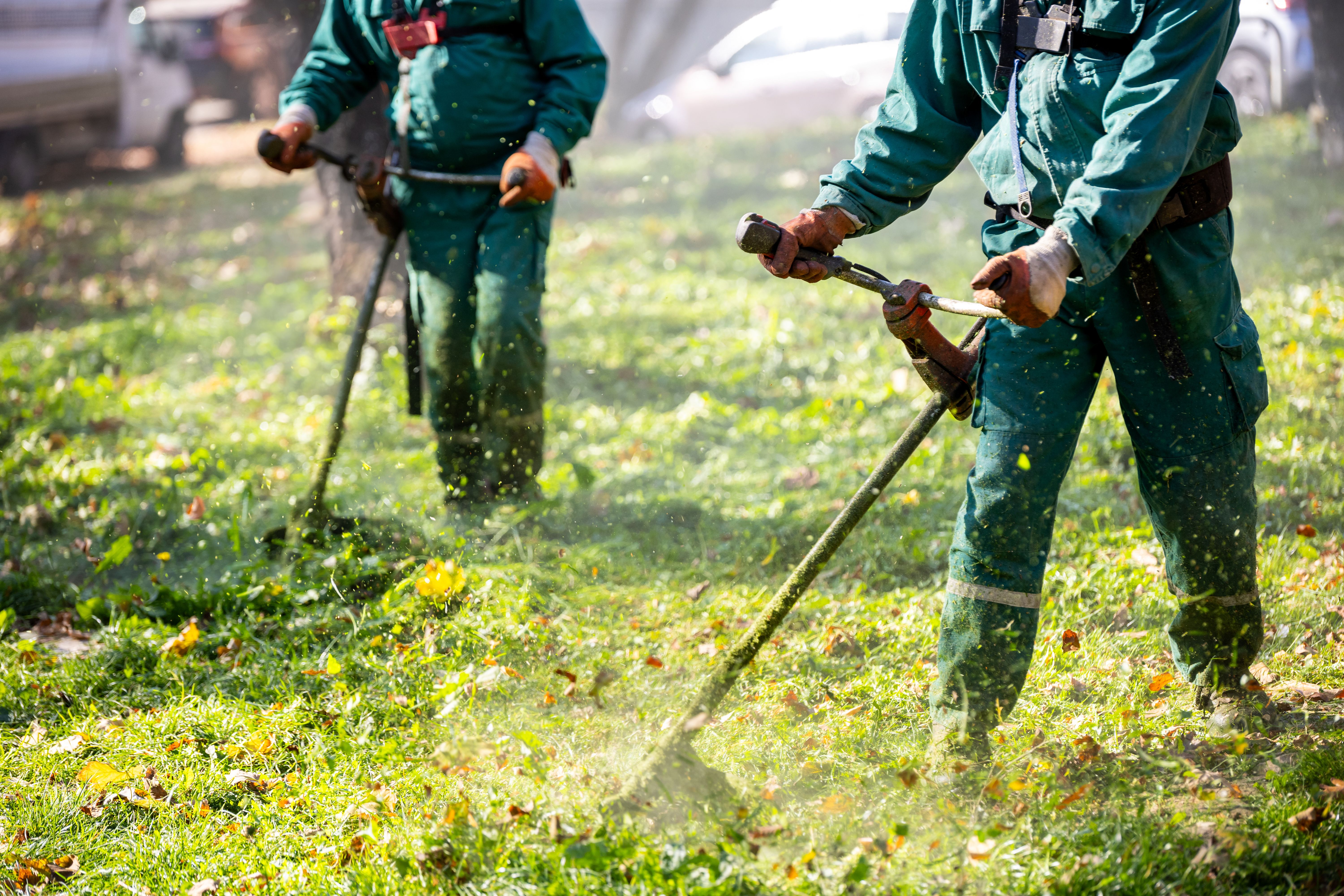
Regular mowing is crucial for a healthy Bermuda lawn. Aim to mow your grass to a height of about 1-2 inches. This height helps the grass grow thickly and reduces weeds. During peak growing seasons, you may need to mow once a week or even more frequently. Always use a sharp mower blade to get a clean cut, which helps prevent disease.
Effective Watering Techniques
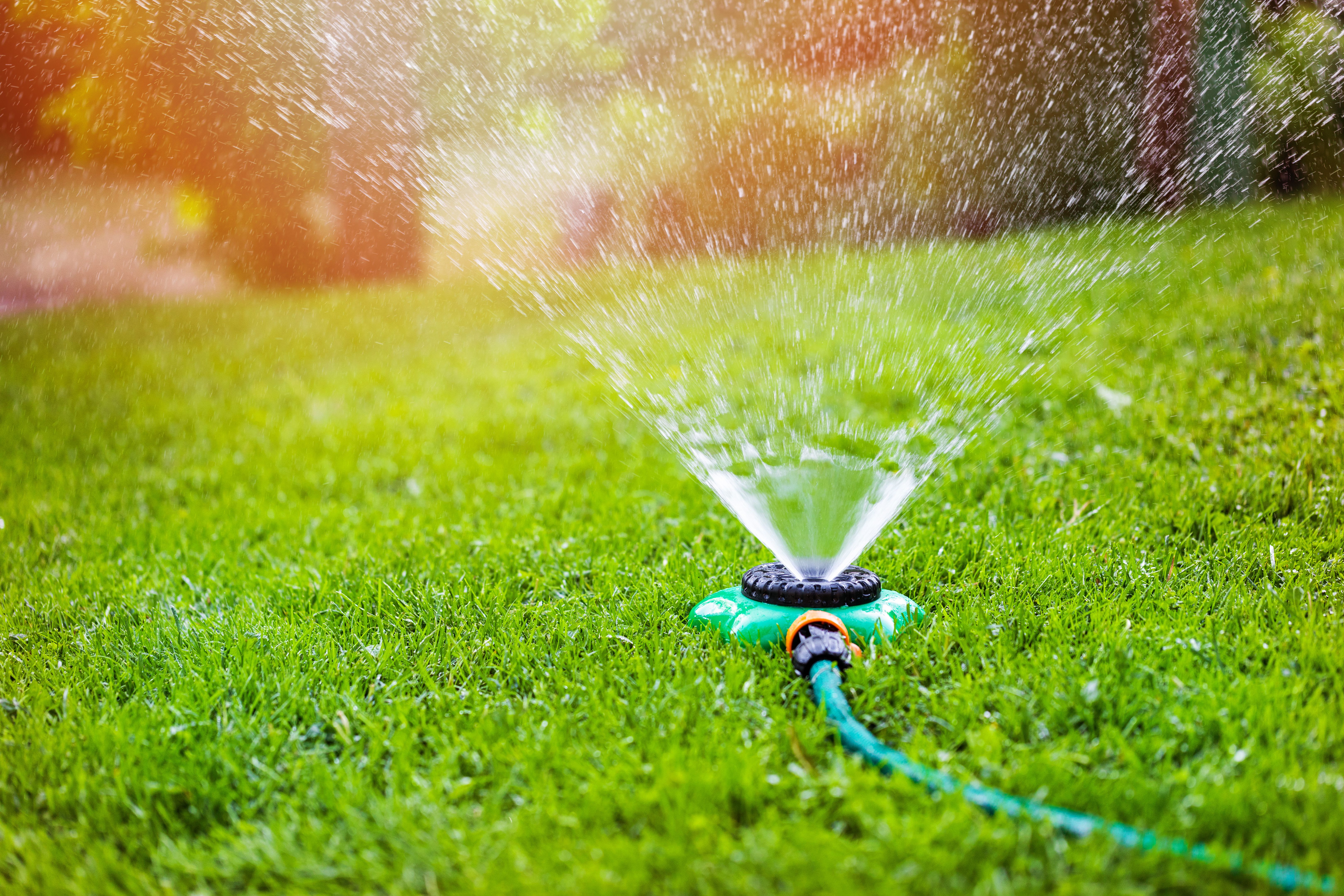
Watering is key to maintaining Bermuda grass. It's best to water deeply and infrequently. This encourages the roots to grow deeper into the soil, making the grass more drought-resistant. Aim for about 1 inch of water per week, including rainfall. Early morning is the ideal time for watering, as it reduces evaporation and fungal disease risk.
Fertilizing for Growth
Fertilizing your Bermuda grass provides it with the nutrients it needs to thrive. Use a high-nitrogen fertilizer during the growing season. Apply it according to the package instructions, typically every 6-8 weeks. Be careful not to over-fertilize, as this can damage the grass and lead to excessive growth that requires more frequent mowing.
Weed and Pest Control
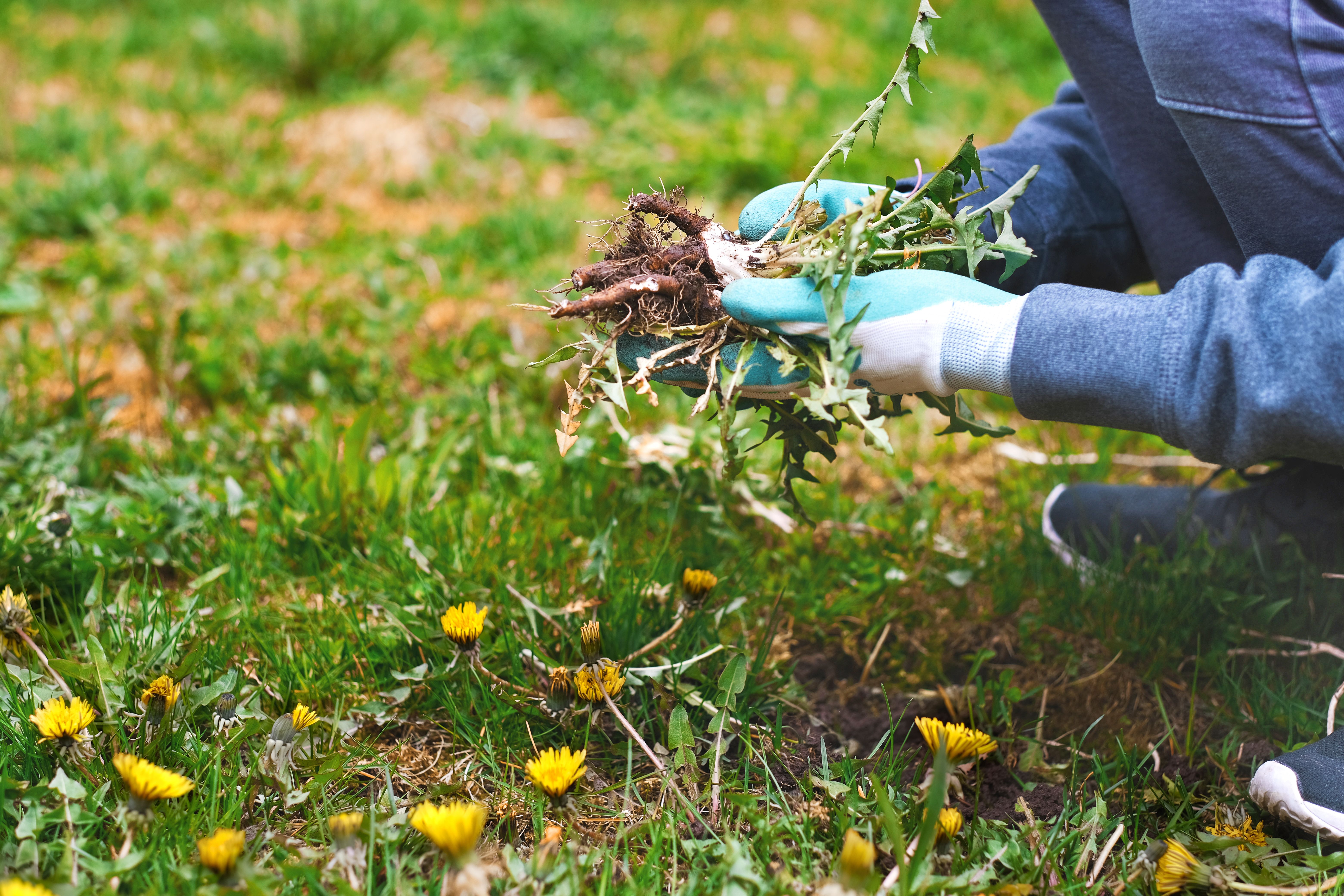
Weeds and pests can quickly take over a Bermuda lawn if not managed properly. Hand-pulling weeds is effective for small areas, while pre-emergent herbicides can prevent weeds from sprouting. For pests, monitor your lawn regularly and consider natural pest control options like beneficial insects or organic treatments to maintain a healthy ecosystem.
Aeration and Thatch Management
Bermuda grass can develop thatch, a layer of dead grass and roots, which can hinder water and nutrient absorption. Aerating your lawn once a year helps alleviate this issue. Aeration involves making small holes in the soil to allow air, water, and nutrients to penetrate deeper. This process also encourages new growth and strengthens the root system.
Dealing with Seasonal Changes
As seasons change, so do the needs of your Bermuda grass. In the fall, reduce watering and fertilization as growth slows. This prepares the grass for dormancy in winter. During this period, avoid excessive foot traffic to prevent damage. In spring, gradually increase care efforts as the grass begins to green up and grow actively again.
Maintaining Bermuda grass without professional help is entirely doable with the right knowledge and consistent care. By following these guidelines, you can enjoy a lush, green lawn that enhances the beauty of your home and provides a perfect space for outdoor activities.