Bermuda Grass Fertilization: Tips for a Lush Lawn in South Carolina


Creating a lush, green lawn in South Carolina can be a rewarding endeavor, especially when working with Bermuda grass. Known for its resilience and ability to thrive in warm climates, Bermuda grass is a popular choice for homeowners. However, to maintain its vibrancy and health, proper fertilization is crucial.

Understanding Bermuda Grass Needs
Bermuda grass flourishes in warm climates, making South Carolina an ideal location for it. This grass type requires full sunlight and thrives in well-drained soil. Understanding these basic needs is the first step toward effective fertilization.
To achieve a thick, healthy lawn, it's essential to know the nutrient requirements of Bermuda grass. The primary nutrients needed are nitrogen, phosphorus, and potassium. Nitrogen promotes growth and color, phosphorus supports root development, and potassium aids in overall plant health.
Choosing the Right Fertilizer
Selecting the correct fertilizer is vital for Bermuda grass. Look for a balanced fertilizer that offers a higher ratio of nitrogen compared to phosphorus and potassium. A typical recommendation is a 3-1-2 ratio, such as a 21-7-14 blend.

Organic fertilizers are also an excellent choice as they improve soil health while providing necessary nutrients. Options include composted manure or a well-balanced organic lawn fertilizer.
Application Timing
The timing of fertilization plays a crucial role in the health of your Bermuda grass lawn. In South Carolina, the growing season for Bermuda grass typically starts in late spring and continues through early fall.
- Early Spring: Apply a pre-emergent herbicide and start the fertilization process as soon as the grass begins to green.
- Mid-Summer: A second application of fertilizer will help maintain color and growth during the hottest months.
- Early Fall: A final application of fertilizer will prepare the grass for the dormant winter season.
Application Techniques
Proper application techniques ensure that the nutrients are evenly distributed across your lawn. A broadcast spreader is often recommended for an even application. Be sure to follow the manufacturer's instructions on the fertilizer package for the best results.
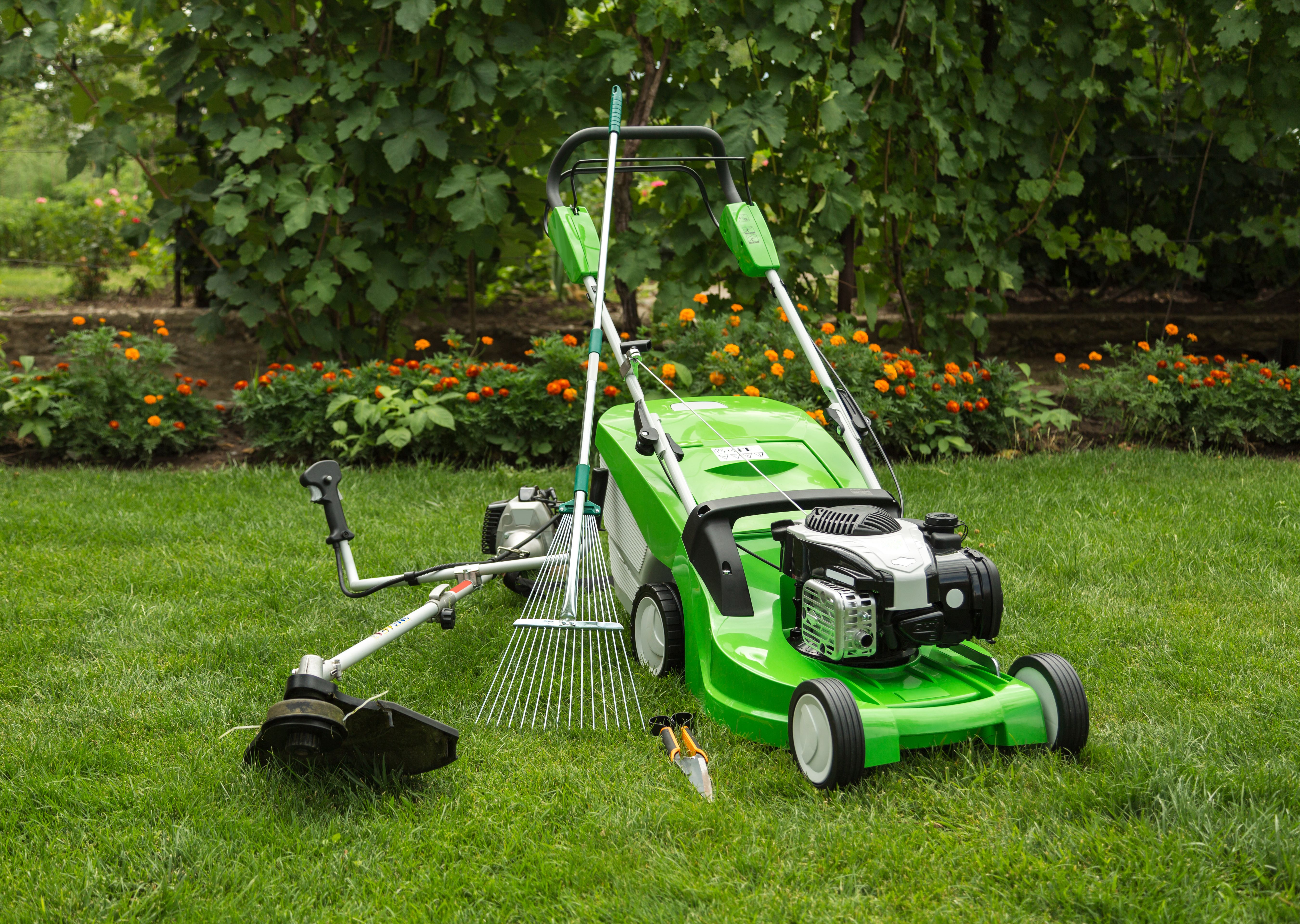
Watering after application is crucial as it helps the fertilizer dissolve and penetrate the soil, reaching the roots where nutrients are needed most. Be cautious not to overwater, as this can lead to runoff and nutrient loss.
Monitoring and Adjusting
Regular monitoring of your lawn's health will help you adjust your fertilization routine as needed. Pay attention to any signs of nutrient deficiency, such as yellowing leaves or stunted growth, and adjust your fertilizer type or application rate accordingly.
By understanding the specific needs of Bermuda grass and implementing a thoughtful fertilization plan, you can achieve a lush, vibrant lawn that enhances the beauty of your South Carolina home. With the right care, your Bermuda grass will thrive, providing a stunning green space for you and your family to enjoy.